A regular at a coffee chain sends her referral link to a friend over WhatsApp. The friend taps it, lands on the signup page, types in her phone number and gets an error: an account with this number already exists. She’s never joined anything, she bought a sandwich there in March and gave her phone number at the counter for the receipt and that’s the whole history. She closes the tab and neither of them gets the reward they were promised. Nothing technically broke, the link worked, the page loaded and the system did exactly what it was built to do. A referral that should have counted just didn’t and nobody involved is going to find out why.
That’s where most referral programs leak, not at the top where you’d expect it, but at the very bottom among the small group of customers who actually did the thing you asked them to do.
The friend didn’t fail, the flow did
Referral marketing gets measured as an acquisition channel, which is fair since the point is new members. But the failure above isn’t an acquisition failure because someone shared a link, someone else clicked it and tried to sign up. Everything that requires human effort and goodwill already happened. What failed was activation. The person on the receiving end already existed in the database as a record but not as a member. There’s a name, maybe a phone number, maybe an email, pulled in from a POS transaction, a Wi-Fi login, a delivery order or a newsletter form from two years ago. No terms accepted, no consent and no loyalty account, just a shadow profile. To the system, that record looks like an existing customer, so the signup gets blocked as a duplicate. To the customer, it looks like the brand is telling her she’s already a member of something she’s never heard of. Those two readings are very far apart and the second one is the only one that matters.
The uncomfortable part is who this hits hardest. Shadow profiles aren’t random, they’re people who have already spent money with you or handed over an email address or ordered delivery. Referral programs are designed to reach exactly this kind of person, someone close enough to the brand that a friend’s recommendation lands. And the more customer data a merchant has collected over the years, the more of these half-records are sitting in the CRM, quietly rejecting invitations. For a mid-size group with a few hundred thousand contacts imported from POS and marketing lists, that isn’t a rounding error.
Airbnb’s referral engine and the part people skip
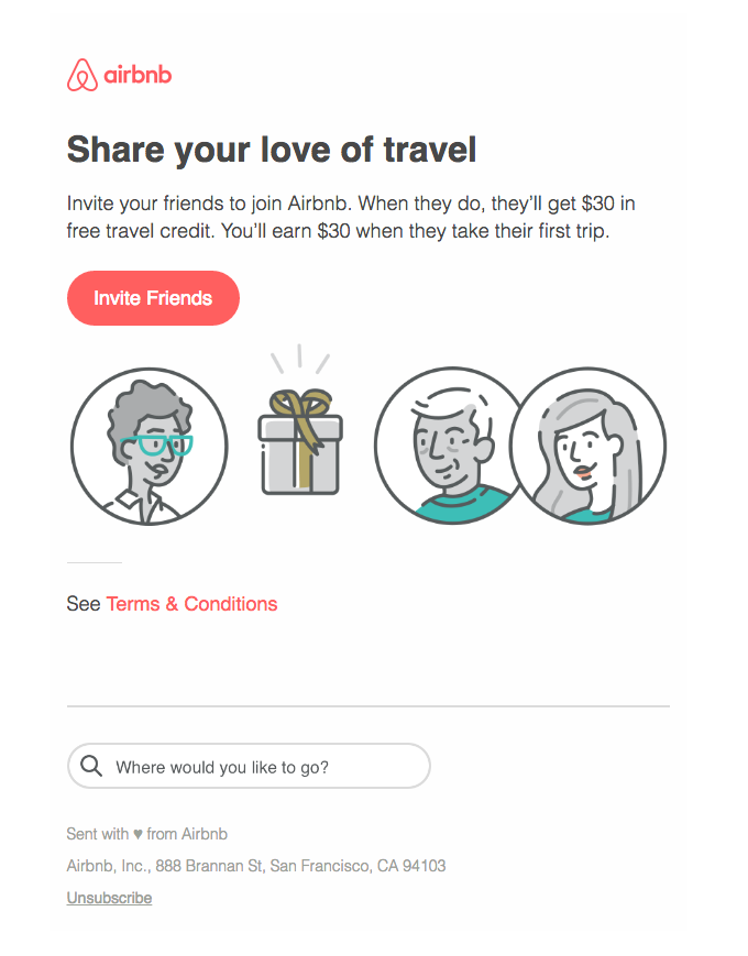
The famous detail is the double-sided incentive: the person referring got travel credit and so did the friend who signed up. Both sides had a reason to care, so the invite stopped feeling like a favour and started feeling like a gift. That structure is genuinely good and plenty of F&B brands have copied it. Give the referrer points, give the new member a free drink on their first visit and everyone wins.
The part that gets skipped is that Airbnb spent a lot of effort on the mechanics underneath. Personalized links, clean handoffs between email and app, a signup flow that recognized where the click came from and carried that context through to the end. The incentive was the reason people shared and the plumbing was the reason sharing worked. Copy the incentive without the plumbing and you get a program that looks fine in the campaign brief and dies in the last ten seconds of the flow. A generous reward that a customer can’t claim is worse than no reward because you’ve now spent the goodwill and got nothing back for it.
What we changed
One of Como’s latest releases closes the gap between the shadow record and the registered member. Customers with pre-existing, unregistered profiles can now complete registration through a friend’s invite link instead of hitting a duplicate error. They accept the terms and conditions, the record converts into a full loyalty member and the referral benefit unlocks in the same motion. The friend who sent the link gets credited, the friend who received it gets their reward and the flow ends where it was always supposed to end.
A few smaller changes support that:
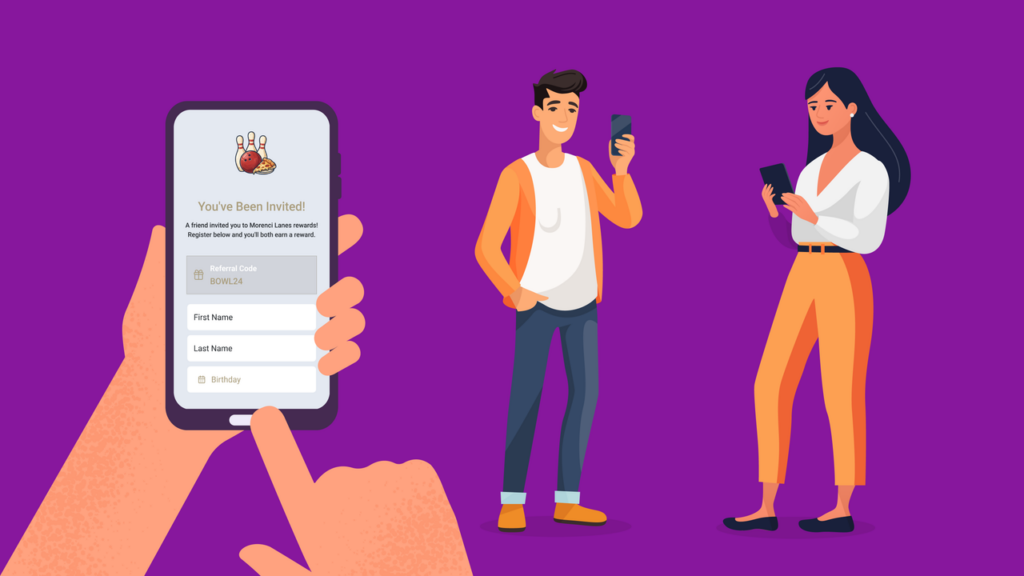
1. Invite links now pre-fill the referral code on the Customer Portal registration form and on profile update pages, so nobody has to copy and paste a code between apps. Anyone who has watched a customer try to do that on a phone knows how many of them give up halfway.
2. There’s a new “Used invite code” condition on the profile update trigger in the Hub, which means merchants can target this specific group. Members who converted from a shadow record using a referral code are now a segment you can build a campaign around, welcome, reward or follow up with, rather than a group that disappears into the general member list.
3. Validation now checks that a member can only claim a referral benefit once, so opening this path doesn’t open a way to farm duplicate rewards.
4. Email invite links point to the modern Customer Portal instead of the old SSR pages. Same destination, faster and more consistent layout and no visible seam between the email and the page it opens.
5. The customer-facing summary of all this is short. She taps a link from a friend, the code is already there, she agrees to the terms, she’s a member and finally, she gets her reward, which is what she assumed would happen when she tapped the link.
Most brands measure referral performance by shares sent and members gained. The number that’s missing sits between those two: how many people clicked a referral link, tried to sign up and were turned away because the CRM already had a partial record of them. Pull that number. If it’s high, your referral program is underperforming because the people they’re sharing with have already given you their details once and the system is treating that as a reason to say no.