And why “nice service” alone stopped being enough a long time ago
Customer experience is no longer a soft metric. It’s not vibes. It’s not just smiling staff and decent lighting. In 2026, customer experience is a revenue lever, and brands that still treat it like a side project are quietly leaking money.
Guests don’t spend more because you asked nicely.
They spend more because the experience made it easy, relevant, and worth repeating.
Here’s how modern customer experience strategies are actually driving higher guest spend and how brands are using data, loyalty, and behavioral insights to do it right.
Experience Now Determines Spend (This is the Reality)
According to PwC, 73% of consumers say experience is a deciding factor in purchasing, ranking just behind price and product quality. But here’s the catch: price and product are easier to copy. Experience is not.
In hospitality and retail, the brands winning right now aren’t just better. They’re easier. Faster. More personal. Less annoying.
When friction disappears, spend goes up.
Why Guests Spend More When the Experience Feels Personal
McKinsey reports that personalization can increase revenue by 10–15%, yet most brands still personalize at a surface level. First name in an email. Generic birthday reward. Done.
Real personalization is behavioral:
- What someone orders
- When they usually visit
- How often they redeem rewards
- What they don’t respond to
Brands that adapt experiences in real time see higher average order values and more frequent visits because guests feel understood without being interrupted.
No one wants to “sign up.”
They want the brand to already know.
1. Seamless Journeys Increase Spend Without Guests Noticing
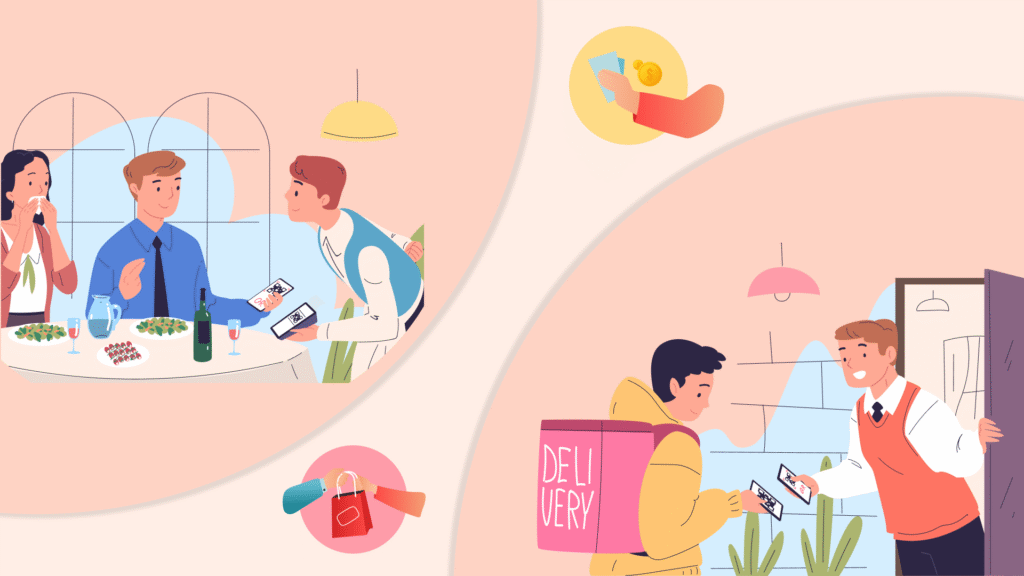
Guests don’t think in channels. They don’t care if they ordered through your app, scanned a QR, or walked in. They expect everything to sync.
Harvard Business Review found that omnichannel customers spend 30% more than single-channel customers. Why? Because:
- Rewards follow them everywhere
- Orders don’t disappear into the void
- Preferences carry over
When loyalty, ordering, payments, and messaging live in one ecosystem, spending feels natural, not forced.
2. Loyalty Programs That Feel Like Value, Not Homework
Modern loyalty isn’t “buy 10 get 1 free.” That model rewards patience, not engagement.
Today’s highest-performing loyalty programs:
- Reward frequency, not just volume
- Unlock benefits early
- Adapt rewards based on behavior
Meaningful means relevant. A free coffee means nothing if you came for lunch.
3. Reducing Effort Increases Average Order Value
Gartner reports that reducing customer effort is 40% more effective at driving loyalty than delighting customers.
Translated into real life:
- Long queues reduce spend
- Confusing menus reduce add-ons
- Slow payments reduce impulse buys
Brands using mobile ordering, smart kiosks, and pre-filled preferences consistently see higher basket sizes because guests aren’t rushed or frustrated.
People spend more when they’re calm. Shocking, right?
4. Predictive Insights Beat Guesswork Every Time
The best brands don’t wait for guests to tell them what they want. They already know.
With historical data and AI-driven insights, brands can:
- Predict churn before it happens
- Trigger offers when a guest is most likely to convert
- Recommend items guests actually order
That’s not magic. That’s pattern recognition.
5. Feedback Loops That Actually Change Something
Most brands collect feedback. Fewer brands act on it.
Guests notice when:
- Menu changes reflect reviews
- Rewards improve after complaints
- Communication gets clearer over time
Closing the loop isn’t just polite. It’s profitable.
6. Employee Experience Quietly Shapes Revenue
This part gets ignored because it’s inconvenient.
Disengaged staff create friction. Friction kills spend. What happens when your employees are highly engaged?
- Faster service
- Better upselling
- Fewer abandoned transactions
When systems are easy for staff, they’re better for guests too.
7. Smart Automation Without Losing the Human Touch
Automation isn’t the enemy. Bad automation is. Guests appreciate:
- Order confirmations
- Reward reminders
- Re-engagement messages
They do not appreciate:
- Irrelevant spam
- Repeating themselves
- Talking to bots that don’t help
The sweet spot is automation that supports humans, not replaces them.
8. Unified Platforms Drive Higher Spend Long-Term
Disconnected tools create disconnected experiences. That’s where revenue quietly leaks. Brands using unified customer engagement platforms consistently outperform because:
- Data lives in one place
- Campaigns are faster to launch
- Insights are actionable, not delayed
According to Forrester, businesses with integrated CX platforms grow revenue 1.7x faster than competitors relying on fragmented systems.
Measuring What Actually Matters
If the goal is guest spend, track metrics that tie directly to revenue:
- Average order value
- Visit frequency
- Reward redemption rate
- Customer lifetime value
- Churn rate
Vanity metrics don’t pay rent.
The Future of Customer Experience Is Predictive, Not Reactive
The most successful brands are moving from:
- Customer-first → customer-obsessed
- Campaigns → conversations
- Transactions → relationships
It is not about doing more. It’s about doing what matters, consistently, at scale.
ComoSense is built around one simple idea: when brands understand behavior, better experiences follow, and spend increases naturally. By combining loyalty, real-time insights, and omnichannel engagement into a single intelligence layer, brands stop guessing and start responding with intent.
Not louder.
Not pushier.
Smarter.
Customers don’t spend more because they’re impressed. They spend more because the experience made sense. And in a market where attention is expensive and loyalty is fragile, experience isn’t a brand value.
It’s the business model.