For years, loyalty programs have been treated as a guaranteed win for brands. The formula felt simple: offer points, give rewards, and customers will keep coming back. On paper, it still looks convincing. A significant majority of consumers are enrolled in at least one loyalty program and many actively say they prefer brands that offer some form of rewards or recognition. But beneath those numbers sits a quieter, more uncomfortable truth. Customers are joining loyalty programs, but they are not necessarily engaging with them in a meaningful or consistent way.
What we are seeing today is not a rejection of loyalty itself, but a rejection of how loyalty is being delivered. The modern customer is more digitally mature, more time-conscious, and far less patient than before. They are no longer impressed by the mere existence of a loyalty program. Instead, they evaluate it based on how much effort it requires versus how much value it delivers. When that balance feels off, disengagement is almost immediate.
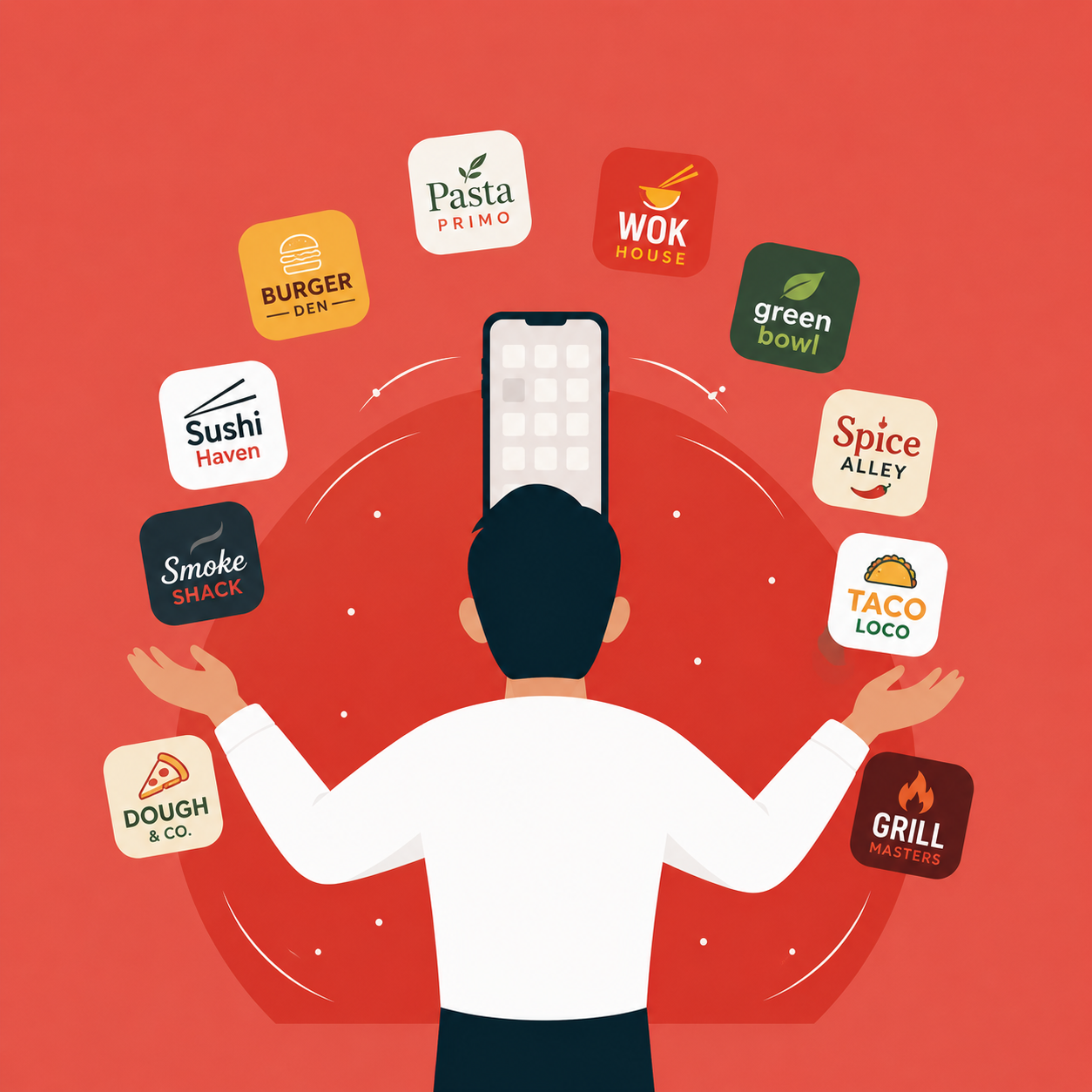
This gap exists because many traditional loyalty programs are built on outdated assumptions about customer behaviour. They assume that customers are willing to invest time, attention and effort into tracking points, understanding reward systems and managing yet another app or account. In reality, most customers are already juggling multiple platforms, subscriptions and digital interactions in their daily lives. Adding another layer of complexity, no matter how well-intentioned, often feels less like a benefit and more like a burden. The result is a kind of passive resistance, where customers sign up because it costs nothing, but mentally opt out soon after.
What makes this even more interesting is that the importance of loyalty has not diminished. If anything, it has become more critical. Research consistently shows that loyal customers spend more, return more frequently and contribute significantly to long-term revenue growth. Emotional connection, in particular, has emerged as a powerful driver of customer value, with emotionally engaged customers demonstrating substantially higher lifetime spend compared to those who interact purely on a transactional basis. This suggests that the issue is not whether loyalty works, but whether it is being designed in a way that aligns with how people actually behave today.
For customers who claim to “hate” loyalty programs, the frustration is rarely about rewards themselves. It is about the friction surrounding them. Every additional step, whether it is downloading an app, remembering login credentials, scanning a code or waiting weeks to see tangible benefits, adds to a sense of effort that outweighs the perceived reward. Over time, this erodes the very purpose of loyalty, turning what should be a seamless value exchange into a chore. In an environment where convenience is often the primary decision-making factor, even small amounts of friction can have a disproportionate impact on engagement.
This is where a shift in thinking becomes necessary. Instead of asking how to make loyalty programs more feature-rich or more visible, brands need to consider how to make them less demanding. The most effective loyalty strategies today are not the ones that shout the loudest, but the ones that integrate so naturally into the customer journey that they almost go unnoticed.
1. Invisible Loyalty (No Sign-Ups Required)
The best loyalty programs don’t feel like programs at all.
- Auto-enrol customers via phone number or payment method
- Reward behaviour without asking for commitment
- Remove apps unless they add real value
If customers have to think about loyalty, you’ve already lost them.
At the heart of this approach is the idea of reducing cognitive load. Customers should not have to think about how a loyalty program works in order to benefit from it. Instead, the system should operate in the background, using data and behavioural insights to deliver relevant rewards at the right time. This could mean automatically enrolling customers based on their transaction data, offering real-time incentives triggered by specific actions, or simplifying reward structures to the point where the value is immediately clear. The goal is not to eliminate loyalty, but to remove the effort associated with it.
2. Instant Gratification Over Long-Term Grind
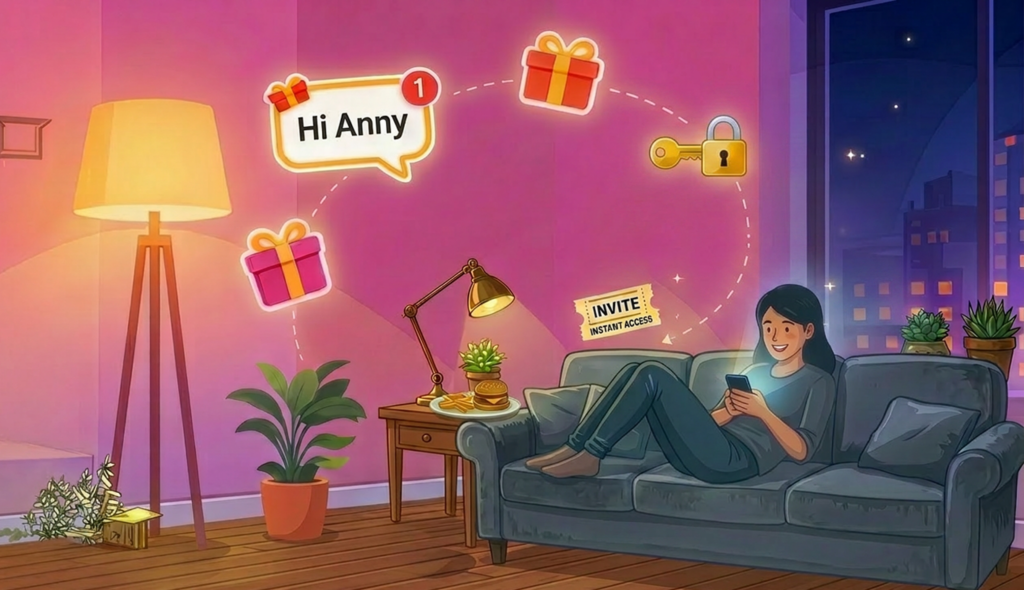
Another critical component of designing for the effort-averse customer is immediacy. Traditional loyalty programs often rely on delayed gratification, encouraging customers to accumulate points over time before redeeming them for a reward. While this model can be effective in certain contexts, it does not align well with current consumer expectations, which are increasingly shaped by instant access and on-demand experiences. By contrast, programs that deliver value early and frequently are far more likely to maintain engagement. Small, immediate rewards can create a sense of momentum that encourages repeat behaviour, even if the individual benefits are modest.

3. Personalisation That Feels Human
Personalisation also plays a significant role in making loyalty feel less like a system and more like a relationship. Generic rewards, while easy to implement, often fail to resonate because they do not reflect individual preferences or behaviours. When customers receive offers that feel tailored to their habits, whether it is a favourite item, a preferred time of visit, or a meaningful milestone, the interaction becomes more memorable. This not only increases the likelihood of redemption but also strengthens the emotional connection between the customer and the brand. In a landscape where differentiation is increasingly difficult, this kind of relevance can be a powerful advantage.
4. Emotional Rewards > Financial Rewards
Discounts save money. Experiences build memory.
- Exclusive menu items
- Early access
- “Regular status” recognition
- Surprise upgrades
Over time, these moments contribute to a deeper form of loyalty that is less dependent on constant rewards and more rooted in positive association.
5. Micro-Loyalty: Win in Fewer Visits
The dining or ordering experience is inherently emotional, shaped by atmosphere, service, and familiarity as much as by product. Loyalty, in this context, should enhance those elements rather than sit alongside them as a separate mechanic. When done well, it becomes part of the overall experience, reinforcing the reasons customers choose to return in the first place. When done poorly, it risks feeling disconnected and transactional, undermining the very relationship it is meant to strengthen.
6. Reduce Cognitive Load (Brutally)
If your loyalty program needs explaining, it’s already too complicated.
- One clear benefit
- One visible progress system
- One obvious reward
Simplicity is a retention strategy.

At Como, this shift is already shaping how loyalty is approached. Rather than building standalone programs that customers have to actively manage, the focus is on embedding loyalty into the broader customer journey. Through seamless integrations, real-time data and scalable personalisation, loyalty becomes something that happens naturally as part of the experience. Customers are rewarded without them being interrupted, recognised without having to identify themselves repeatedly and engaged without being asked to invest additional effort. The result is a version of loyalty that feels less like a system and more like an extension of the brand itself.
Ultimately, customers do not dislike loyalty programs as a concept. What they resist is the friction, complexity and lack of relevance that often comes with them. When those barriers are removed, loyalty has the potential to become something far more intuitive and far more powerful. It stops being something customers are asked to participate in and starts becoming something they experience effortlessly. In a world where attention is limited and expectations are high, that difference is not just important. It is decisive.