Most loyalty programs are promoted the same way. A banner at checkout. A pop-up on the website. A line on the receipt that says “join our rewards program.” But what happens is that people notice it briefly and then carry on. The brands winning the loyalty acquisition game in 2025 and 2026 aren’t just promoting programs differently but they’re rethinking what makes someone want to join in the first place. The invite matters as much as the offer.
Here are 10 genuinely unconventional approaches worth paying attention to and more importantly, worth adapting.
1. Make the first visit feel like they’re already a member
Most brands ask customers to join a loyalty program after a transaction but Nike flipped this. With NikePlus, the program is the product. New visitors to the app or website encounter it immediately: early access to product drops, rewards for physical activity through Nike Run Club, personalized coaching and all of it gated behind membership. The implicit message isn’t “sign up to get points.” It’s “you’re missing something if you’re not in.”
The psychology here is straightforward but underused. When people feel like they’ve already been partially included, the cost of not joining becomes the motivator rather than the reward for joining. It’s the difference between an invitation and a discount coupon because one creates curiosity and the other creates arithmetic.
2. Use the physical queue as a conversion moment
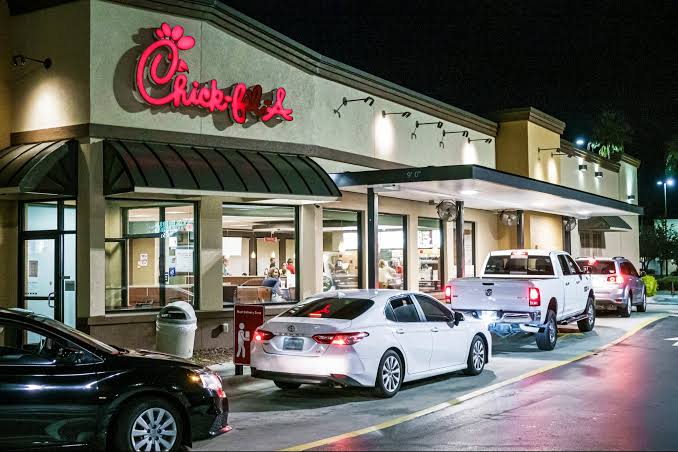
Chick-fil-A turned one of hospitality’s most wasted spaces which is their drive-through queue, into a loyalty acquisition channel. Team members walk the line, tablets in hand, taking orders and enrolling customers in the One app simultaneously. It feels like service. And enrollment happens at the exact moment the customer has already committed to the brand.
The lesson: loyalty enrollment doesn’t need its own dedicated moment. It works best when it’s embedded inside a moment of genuine engagement, where the customer is already present, already decided and already in a good mood about their choice. In a way, you caught them in the best moment.
3. Let the product itself do the recruiting
IKEA Family has over 110 million members globally and almost none of them joined because of an ad campaign. They joined because IKEA makes the experience visibly better for members: complimentary hot drinks on weekdays, member-only workshops, exclusive preview events and price differences that are obvious at the shelf. Non-members see the member price next to the regular price every single time they shop. The product recruits on behalf of the program and this is worth examining carefully. Brands often hide the value of loyalty membership until after signup. IKEA does the opposite, it makes the gap visible before which is a fundamentally more honest and more effective acquisition strategy.
4. Gamify the act of joining, not just the ongoing use
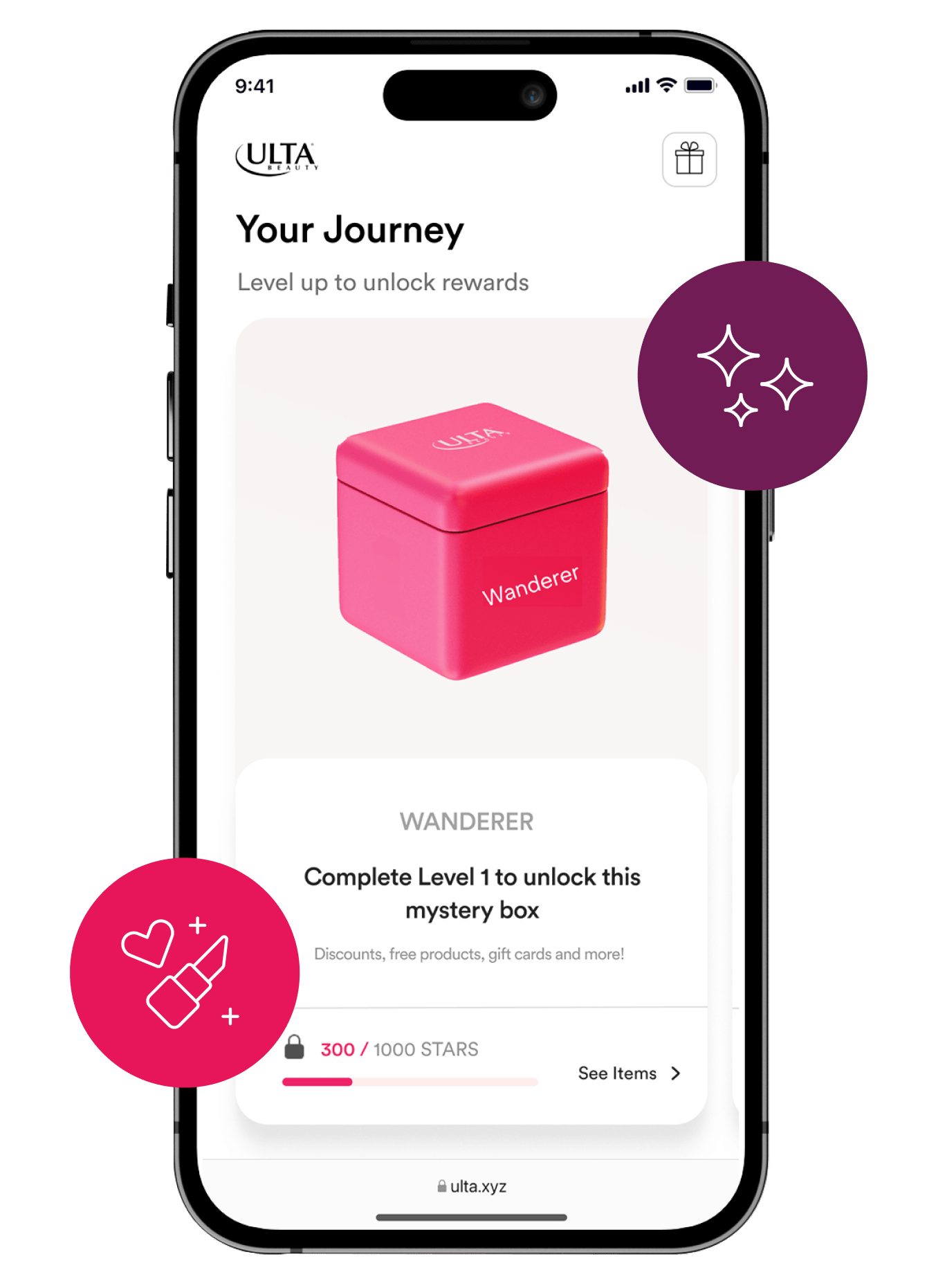
Ulta Beauty’s GlamExplorer introduced 42 mini games inside its loyalty app. These weren’t post-purchase engagement tricks, they were discovery tools, pulling new customers deeper into the program through interaction rather than instruction. The result was sustained acquisition that didn’t rely on promotions or discounts.
Gamification is often applied to retention. The smarter application is using it to lower the barrier of entry. When joining a program feels like the beginning of something interesting rather than the completion of a form, the conversion rate changes. According to a 2025 Euromonitor study, gamification is now a central pillar of loyalty strategy for the brands seeing the strongest new member growth, not because it’s novel, but because it works against decision fatigue. People join things that feel alive. And Como helps you implement this effortlessly!
5. Give referrals an emotional hook, not just a financial one
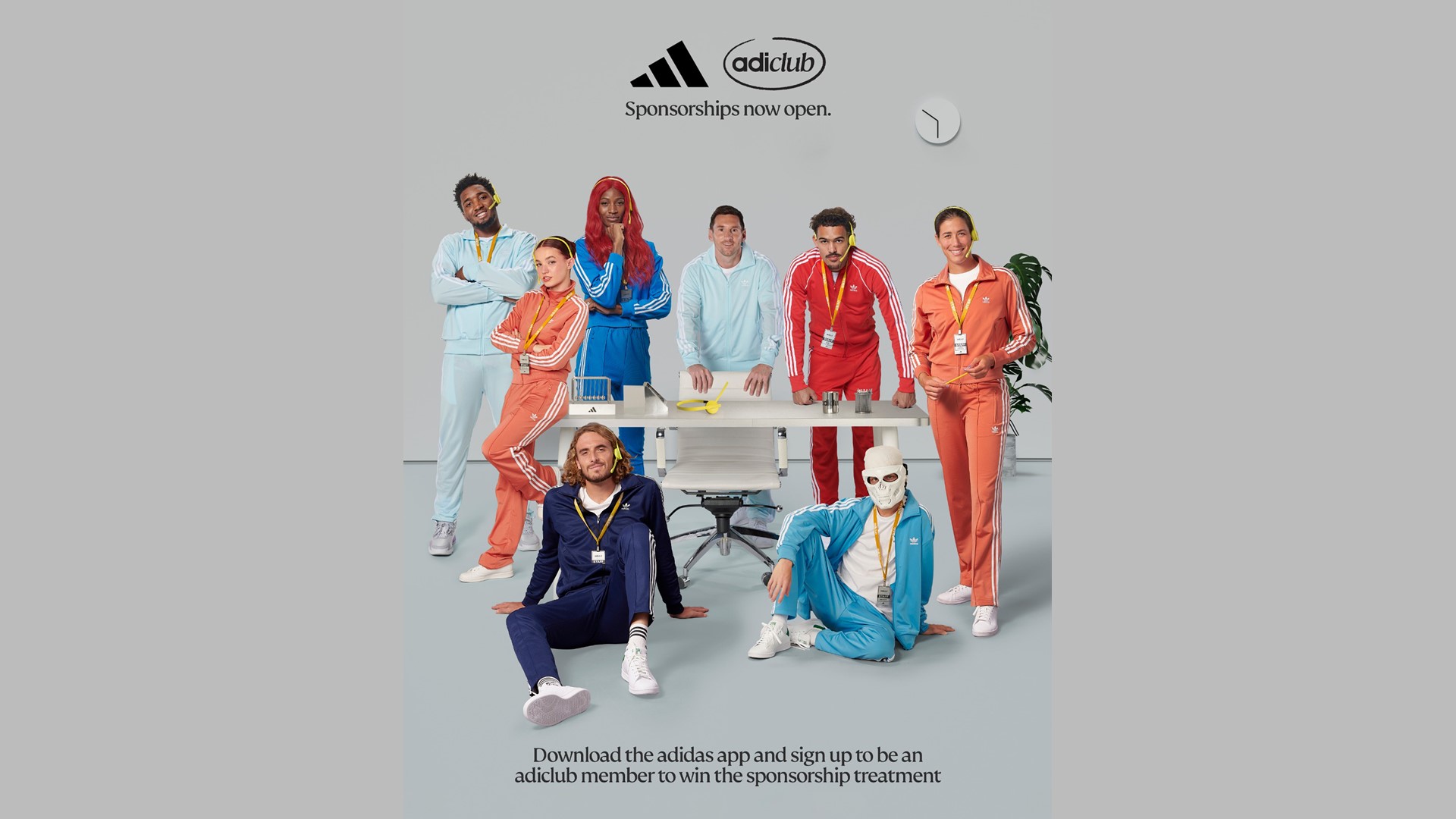
The standard referral mechanic is transactional: refer a friend, get a discount. It works. But it caps out quickly because the incentive appeals to convenience rather than identity. Adidas’ AdiClub program was built around a different idea. Referrals and community activity don’t just earn points, they contribute to a sense of belonging to a specific type of customer. Members who introduce friends aren’t seen as promoters; they’re curators. The program repeatedly won top loyalty rankings in its category not because the points system was particularly generous, but because the act of participating felt like self-expression rather than transaction.
When a referral program makes the referrer feel like they’re sharing something genuinely good and not just passing along a discount code, the conversion quality improves alongside the volume.
6. Use partner channels to reach people before they’ve found you
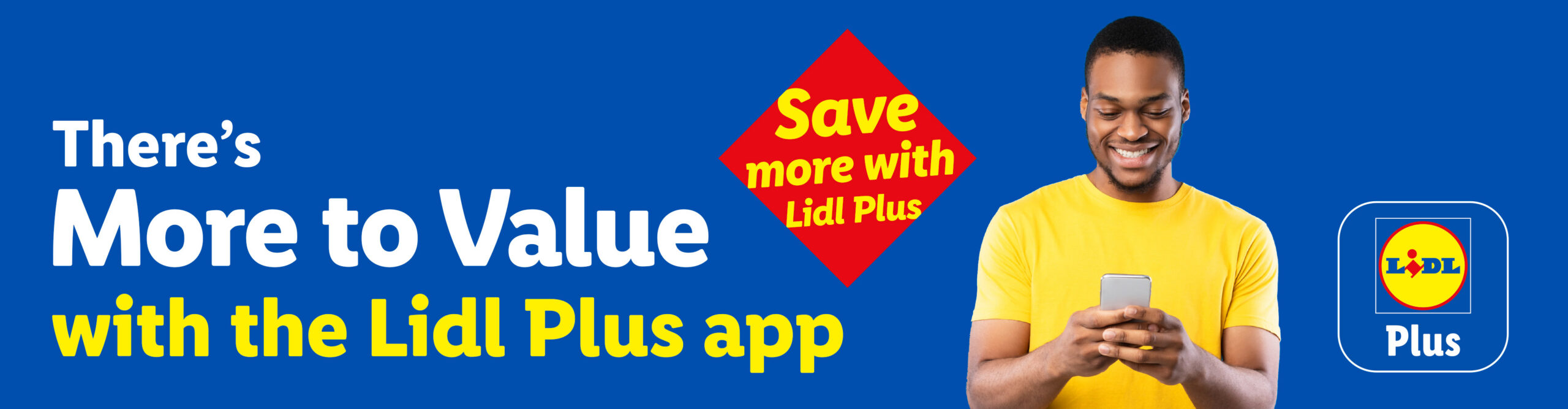
Lidl Plus partnered with Disney to give members exclusive access to Disney+ at a preferential rate. On the surface, it’s a retention move. But the distribution effect runs both ways because Disney subscribers who hadn’t considered Lidl’s loyalty program suddenly had a reason to explore it. The partnership acquired new members through a completely different brand’s audience.
This is a more sophisticated version of acquisition than most brands use. Instead of competing for attention in a saturated channel, you borrow the trust and reach of a brand your target customer already loves. The key word here is trust. A poorly chosen partner feels opportunistic but the right one feels like a natural extension of the customer’s world.
7. Reframe the program as a community, not a card
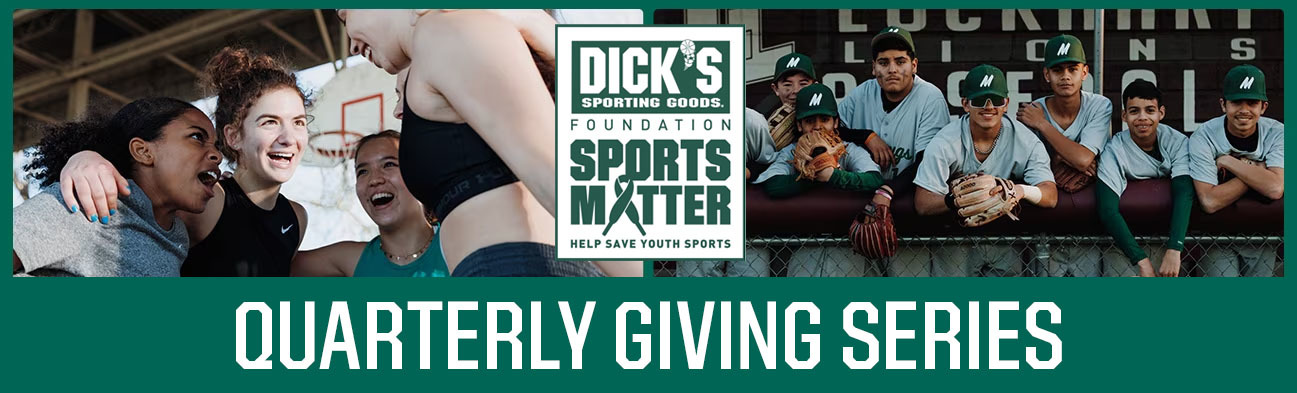
Dick’s Sporting Goods built loyalty acquisition around a cause: youth sports access. Its Sports Matter initiative donated equipment to underfunded communities and the loyalty program was positioned as the mechanism through which customers could participate. Membership wasn’t about personal financial reward. It was about being part of something larger.
The numbers behind cause-led loyalty are striking. Research indicates customers enrolled in programs aligned with their values are nearly ten times more likely to increase their spending with that brand and three times more likely to recommend it. More relevantly for acquisition: cause-led programs generate word-of-mouth that no discount campaign can replicate. People talk about things they believe in. They don’t often talk about earning points.
8. Make loyalty status visible in the real world
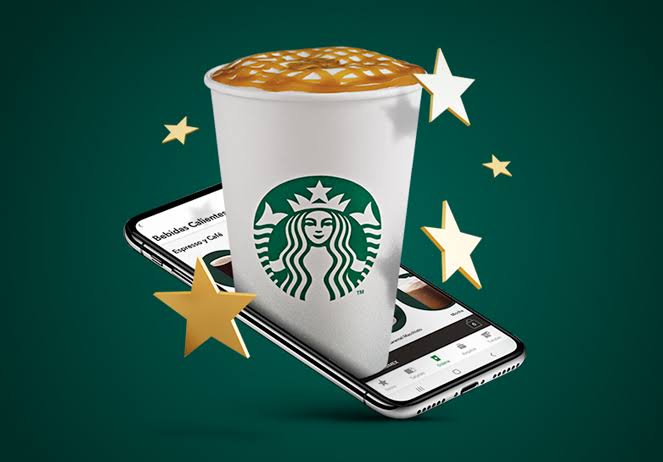
Starbucks Rewards has over 30 million active members in the US alone, a significant portion of whom joined because they kept seeing green cups with names written on them in the hands of other customers. The in-store ritual, the name call, the customized drink, the insider vocabulary of sizes and modifiers, functions as social proof at scale. Non-members see the experience and want access to it. The product creates social aspiration that advertising cannot manufacture.
This principle extends well beyond coffee. Any brand that can make loyalty membership visible through preferential treatment, access, or identity signals that others can observe is running an acquisition strategy in plain sight. The member’s experience becomes the recruitment material.
9. Acquire members through moments of genuine help, not selling
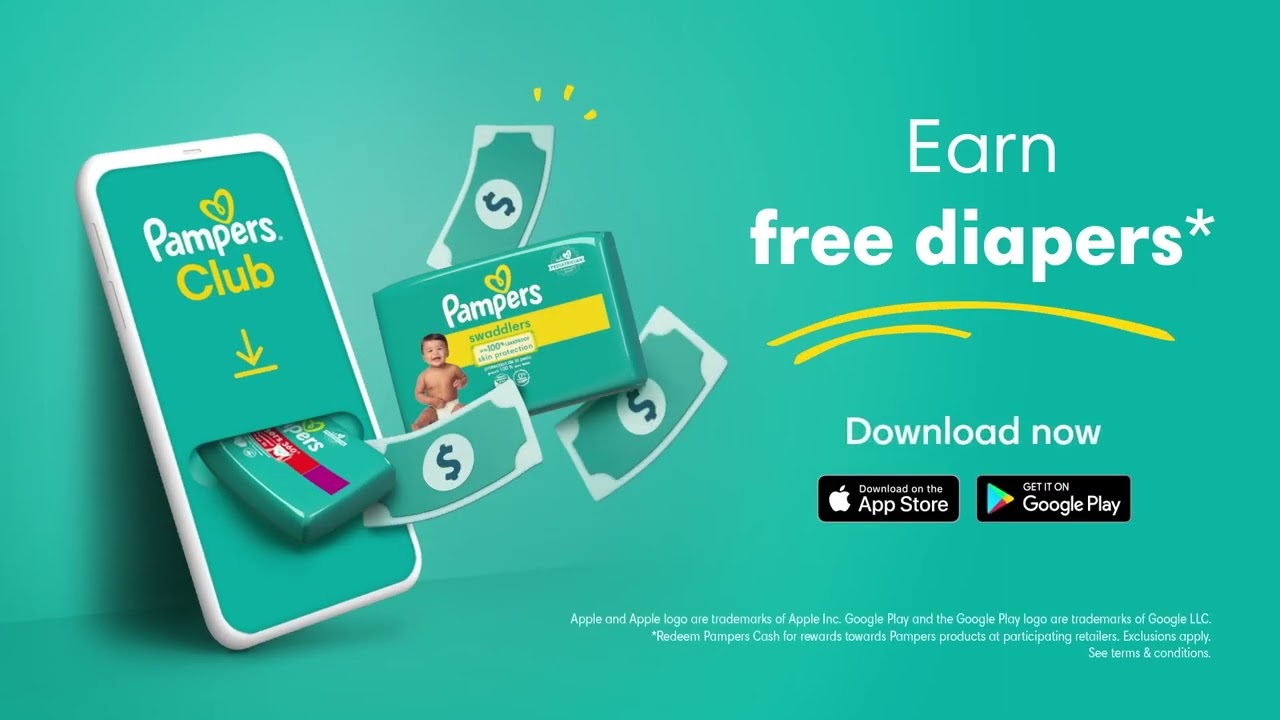
Pampers Club built its acquisition strategy around being useful before it was ever promotional. The app and website functioned as a resource for new parents like developmental information, community support, relevant services, before surfacing any reward mechanics. Enrollment happened naturally because the platform had already earned trust. The program grew to over 560,000 YouTube subscribers and drove significant app engagement, not through campaigns, but through the consistent delivery of value before asking for anything in return.
The instinct to lead with the offer is understandable. But a customer who joins because you helped them before any transaction enters the relationship at a different level than one who joined for a discount. The former comes in with trust. The latter comes in with expectations.
10. Turn the launch moment into an event
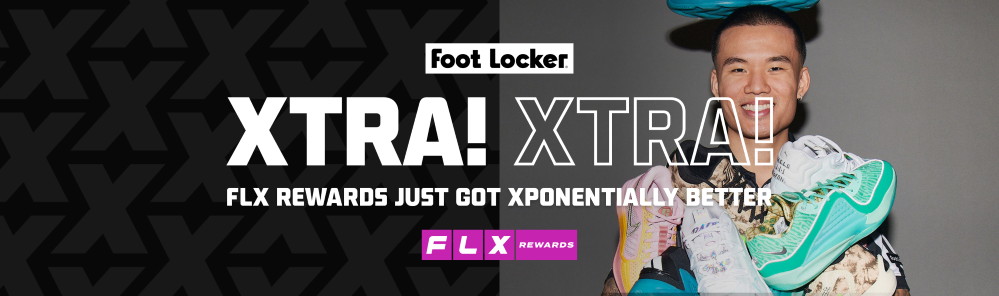
When Foot Locker revamped its FLX Rewards Program in 2024, it didn’t just update the terms and send an email. The relaunch was positioned as a reset like new tiers, a rebuilt app, a “heat monitor” for sneaker drops and a clear statement that the old program had been replaced by something better. By Q3 2024, more than a quarter of all Foot Locker sales were connected to FLX, up year-on-year.
The insight here is that loyalty programs can have launch moments that generate genuine excitement but only if they’re treated as products, not policies. Most program updates are communicated like terms and conditions. The ones that drive acquisition treat the update like a product launch: with storytelling, visual identity, a sense of occasion and a clear answer to the question every potential member is silently asking: why does this matter to me, right now?
Reading across these ten approaches, the same pattern emerges. The brands that are best at acquiring loyalty members are not the ones spending the most on advertising the program but they are the ones who have made the program feel like something worth having before anyone has explained the points mechanic. Enrollment follows perceived value and perceived value doesn’t come from a banner ad. It comes from a visible product advantage (IKEA), a social signal (Starbucks), an identity alignment (AdiClub), an act of service (Pampers Club) or a moment of excitement (Foot Locker). In every case, the program speaks for itself before the marketing does, this is crucial to note.
This is where most brands still have distance to close. They build a program, then market it. The strongest operators build a program that markets itself and then use data, timing and personalization to amplify what’s already working.
That’s exactly what Como is designed to support, not to replace the creative thinking behind acquisition, but to give brands the infrastructure to execute on it at scale: connecting the customer data, behavioural signals and communication channels that turn a good idea about loyalty into a consistent, measurable experience. Because the best acquisition strategy in the world only delivers once you can carry it through the entire relationship that follows.